Fire Door Price Sangli
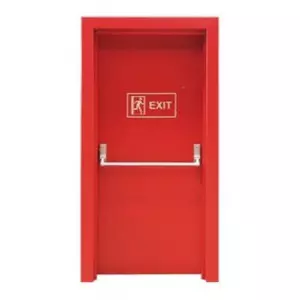
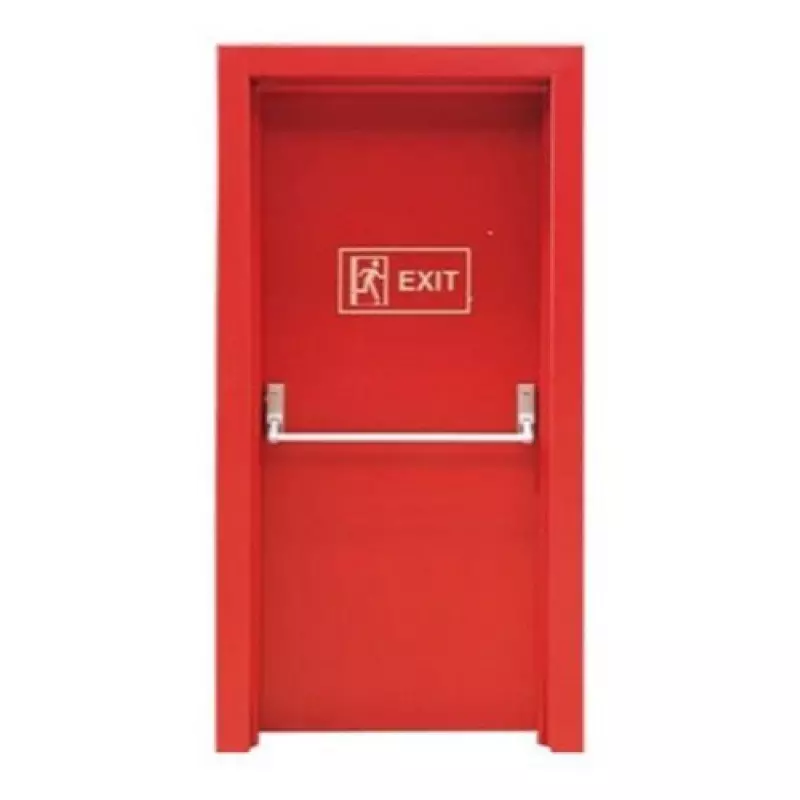
Details of Fire Door
Factors That Define Cost and Safety Value
This Fire door price is influenced by multiple technical and compliance-related factors rather than just material cost. In commercial, industrial, and institutional projects, fire doors are a critical safety component designed to prevent fire spread and protect lives and property.
Understanding Fire Door Cost Structure
The price of a fire door reflects its fire resistance rating, construction quality, certification standards, and hardware configuration. Higher safety performance and compliance requirements naturally increase overall cost, making fire doors a long-term safety investment rather than a basic building accessory.
Elements That Influence Fire Door Pricing
- Fire Resistance Rating Doors rated for 30, 60, 90, or 120 minutes differ in core material and thickness, directly impacting cost.
- Door Construction Material Steel, galvanized steel, or composite constructions affect durability and price level.
- Single or Double Leaf Design Double leaf fire doors require reinforced frames and hardware, increasing overall cost.
- Certified Hardware Components Closers, panic bars, hinges, and vision panels must meet fire safety norms, adding to the door price.
- Finish & Coating Powder coating, stainless steel finish, or special corrosion-resistant coatings influence pricing.
- Compliance & Certification IS, UL, or international fire safety certifications add value and cost assurance.
Why Fire Door Price Should Not Be Judged Only by Cost
A low-priced fire door may compromise fire resistance, sealing efficiency, or hardware quality. Properly priced fire doors ensure:
- Reliable fire containment
- Smoke and heat control
- Structural integrity during emergencies
- Compliance with building safety regulations
- Reduced liability risks for property owners
Application-Based Pricing Considerations
Fire door price varies based on installation environment:
- Commercial buildings and offices
- Hospitals and healthcare facilities
- Shopping malls and multiplexes
- Industrial plants and factories
- Data centers and utility rooms
- Residential high-rise fire exits
Each application demands specific fire ratings and door configurations.
Long-Term Value Over Initial Cost
While fire doors may appear costlier upfront, they provide long-term safety, durability, and regulatory compliance. Properly designed fire doors reduce maintenance issues and ensure dependable performance over years of service.
Choosing the Right Fire Door for Your Budget
Selecting the right fire door involves balancing safety requirements, regulatory norms, and project budget. Consulting with experienced suppliers helps determine the correct fire rating and construction without unnecessary overspending.
Fire Door Price as a Safety Investment
As part of a building’s overall fire protection strategy. Investing in certified, well-constructed fire doors ensures compliance, safety, and peace of mind for commercial and industrial properties.
Offered Product
