Fire Resistant Door Trader In Pune
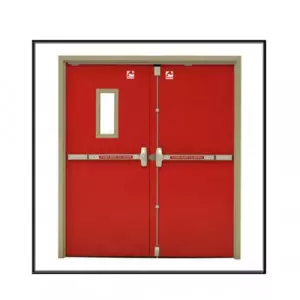
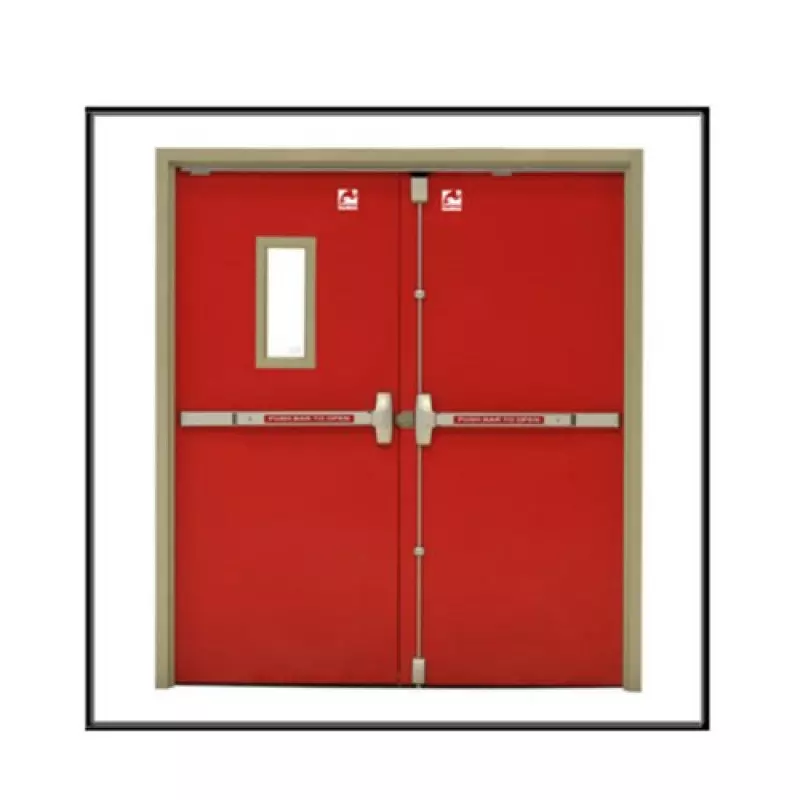
Details of Fire Resistant Door
Fire Door Checklists Expert Guidance Industry Trends
We are offering a comprehensive guide to Fire-Resistant Door Checklists designed to help facilities managers, safety professionals, architects, and engineers ensure that fire doors meet both regulatory safety standards and real-world performance expectations. These Fire-resistant doors are significant safety components in commercial, industrial, and residential buildings, acting as barriers that slow fire spread, protect escape routes, and safeguard lives and resources during emergencies.
We are offering structured evaluation plans based on expert best practices, industry standards such as ISO 3008, NFPA 80, and local building codes, and current market trends.
Industry Update and Market Trends
In recent years, the fire resistant door market has seen significant growth driven by stricter building safety regulations, increased emphasis on life-safety systems, and advancements in fire-resistant materials and hardware. Manufacturers are integrating new composite cores, intumescent seals, and smart monitoring sensors to improve performance while simplifying inspection and compliance documentation. Lifecycle cost analysis is becoming a key decision factor for building owners, pushing demand for doors that balance upfront cost with durability, low maintenance, and long-term performance.
Expert Checklist: Core Inspection Areas
The following elements reflect current industry expectations and should be verified during each assessment:
1. Door Identification and Rating
- Verify that each door is clearly labeled with its fire-resistance rating (e.g., 90 minutes, 120 minutes).
- Cross-check labels against approved engineering specifications and design drawings.
2. Structural Integrity and Frame Condition
- Inspect door leaves for warping, cracks, or damage.
- Ensure frames are square, secured, and free from deformation.
- Confirm that all filler materials and infill panels are intact and appropriate for rating.
3. Gasketing and Seals
- Check that intumescent strips and smoke seals are present, undamaged, and correctly positioned.
- Confirm that seals expand properly at elevated temperatures without obstruction.
4. Hinges and Hardware Alignment
- Ensure hinges, pivots, and fasteners are corrosion-free and capable of supporting rated loads.
- Verify alignment so doors close and latch without sticking or splaying.
5. Latching and Locking Devices
- Confirm that latches, locks, and panic hardware are tested and functioning.
- For egress doors, verify panic bars activate smoothly and meet accessible egress requirements.
6. Door Operation and Self-Closing Function
- Test self-closing devices to ensure full closure from any opening position.
- Validate that closing speed and force comply with code requirements and do not impede safe egress.
7. Visual and Functional Smoke Control Checks
- Check that threshold and perimeter seals effectively restrict smoke passage.
- Confirm vision panels (if present) are fire-rated and undamaged.
Ongoing Maintenance and Documentation
- Proper documentation and routine maintenance elevate safety compliance and performance reliability:
- Maintain inspection logs that include dates, findings, corrective actions, and sign-offs.
- Establish scheduled inspections quarterly and after any fire system activation or building modifications.
- Coordinate fire door inspections with other life-safety systems such as sprinklers and alarms for integrated safety assurance.
Regular and expert-guided checklist reviews, aligned with industry updates, empower owners and facility teams to maintain these systems at peak safety performance.
Offered Product
